
1. The Expansive Horizon of Neuro-Affirmative Practice
Standing at the summit of your clinical career should feel liberating, not suffocating. Yet for thousands of ADHD and neurodivergent mental health professionals, the journey is marked by chronic shame, secret administrative backlogs, and relentless masking.
When you discover that your struggles with task initiation, EHR compliance, and time blindness are neurobiological rather than moral deficiencies, the horizon opens up. You begin to realize that the traditional linear, rigid model of psychotherapy was engineered by and for neurotypical practitioners. Neuro-affirmative career coaching dismantles those outdated assumptions and helps you architect a practice that works in harmony with your natural dopamine cycles.
“You do not need to fix your ADHD brain to be a brilliant therapist; you need to fix the ableist operational systems that drain your energy.”
2. Externalizing Executive Functioning in Clinical Practice
As Dr. Russell Barkley (2015) emphasizes, ADHD is not an attention deficit; it is an executive functioning and self-regulation disorder. Expecting an ADHD clinician to remember compliance deadlines, progress note details, and billing codes internally is like expecting someone with myopia to see without corrective lenses.
Executive scaffolding externalizes cognitive demands into the environment:
“Low-dopamine documentation isn't about working harder—it's about removing cognitive friction so notes get done in minutes, not midnight panic sprints.”
3. Low-Dopamine Documentation Workflows & Voice AI
The number one driver of therapist burnout among ADHD associates is documentation dread. Repetitive progress notes offer zero novelty or dopamine, triggering intense task avoidance followed by the adrenaline grind.
We replace this destructive cycle with modern technological scaffolding:
“Neurodivergent clinicians bring intuitive hyperfocus, divergent problem solving, and deep empathy that traditional training environments often fail to appreciate.”
4. ADA Neuro-Accommodations & Supervisory Contracts
Pre-licensed associates with ADHD frequently face punitive supervision when falling behind on county documentation quotas. Under Title I of the Americans with Disabilities Act (ADA) and California Fair Employment and Housing Act (FEHA), neurodivergent clinicians have legal rights to reasonable workplace accommodations.
In coaching, Tyler Suran guides associates through drafting professional Neuro-Accommodation Agreements:
5. Transforming Neurodivergence into Clinical Mastery
When the administrative and sensory friction is removed, ADHD clinicians discover their extraordinary clinical superpowers:
By shedding the mask and embracing authentic neuro-affirmative systems, you transform from a struggling survivor into an empowered clinical leader.
Academic Citations & References
The clinical frameworks and arguments above are grounded in empirical neurobiology, occupational psychology, and clinical supervision research.
- [1]
Barkley, R. A. (2015). Attention-Deficit Hyperactivity Disorder: A Handbook for Diagnosis and Treatment (4th ed.). Guilford Press.
- [2]
Sedgwick, J. A., Merwood, A., & Asherson, P. (2019). The positive aspects of attention deficit hyperactivity disorder: a qualitative investigation of successful adults with ADHD. ADHD Attention Deficit and Hyperactivity Disorders, 11(3), 241–253.
- [3]
Walker, N. (2021). Neuroqueer Heresies: Notes on the Neurodiversity Paradigm, Autistic Empowerment, and Postnormal Possibilities. Autonomous Press.
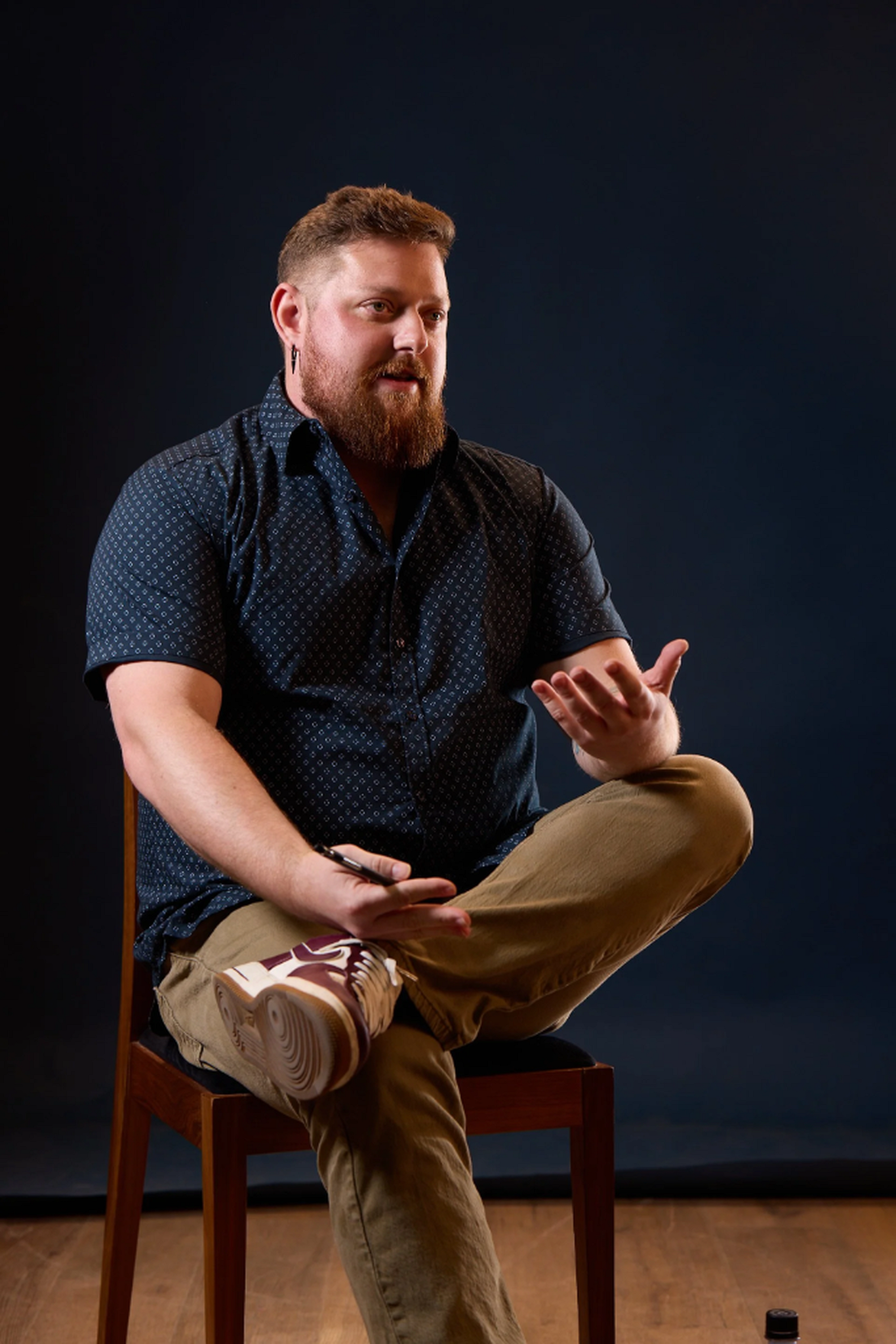
Written by Tyler Suran, MA, APCC #17625, CADC
Tyler Suran is the founder of Unmasked Career Lab, a registered APCC (#17625), and a behavioral healthcare operations consultant specializing in ADHD neurodivergent executive workflows.